With the rapid advancement of AI-powered robotics, I’m starting to wonder if these machines could become a risk for humanity. Could highly intelligent, autonomous robots in industries or everyday life pose safety, ethical, or control issues? Are there any experts or enthusiasts who can share their thoughts on potential dangers?
2 Likes
Early implementations will have all sorts of issues., especially where humans are involved. We still have people drive down a boat ramp into the water because GPS told them.
I don’t care how great they say self-driving cars are, here we have some narrow windy roads next to sheer drop-offs and no guard rails.
I wanted to mount a piece of PVC on a simple fence with.
“I want to horizontally mount a long piece of electrical PVC on a mesh fence which uses vertical galvanized y style fence posts. The PVC would be mounted to the posts and not the wire.”
The vertical posts are these:

Here is the suggestion I got.
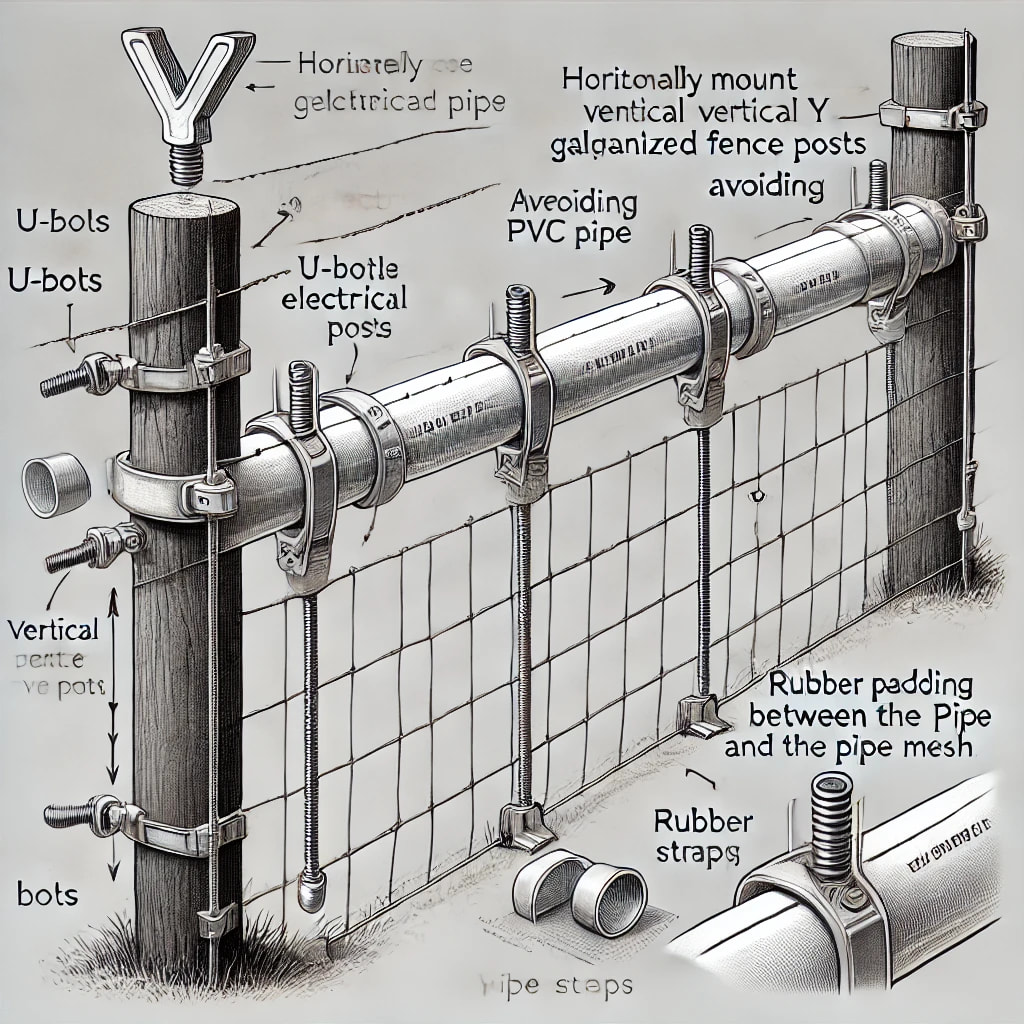
 that is hilarious!
My opinion is that when robots are properly designed and controlled They run faster and more reliable than their humans and for that reason they represent the future.
I’ve always said the Terminator movie will actually happen!
For a laugh watch one of Tom Sellecks early movies “Runaway”. It’s about future home robots malfunctioning and killing homeowners!
Some really interesting takes here.
I think the early issues point is definitely the most realistic part of all this. A lot of the risk isn’t even about super-intelligent robots taking over, but more about humans trusting imperfect systems too early like GPS mistakes, bad automation decisions, or systems being used outside their safe limits.
The example with self-driving cars is a good one too. Even if the tech gets extremely advanced, real-world environments (narrow roads, unexpected obstacles, poor infrastructure) are messy, and that’s where failures usually happen.
On the other hand, the optimistic view also makes sense, if robots are properly designed, tested, and tightly controlled, they can absolutely outperform humans in speed, accuracy, and repetitive tasks. The key word there is controlled, because the risk isn’t just intelligence, it’s autonomy without enough safeguards.
So I don’t really see it as robots becoming evil or anything like that, but more as a gradual challenge of safety, regulation, and how much decision-making we’re willing to hand over to machines.
The real question might be less “will they become dangerous?” and more “how do we make sure we don’t deploy them faster than we can safely manage them?”
1 Like